


In many industries, sludge disposal is no longer just a routine operating task. It has become a major cost center that affects budgeting, compliance planning, transportation logistics, and the overall efficiency of wastewater treatment operations. Whether the sludge comes from municipal wastewater plants, food processing facilities, chemical plants, textile factories, paper mills, or industrial treatment systems, the challenge remains the same: wet sludge is heavy, bulky, expensive to move, and even more expensive to dispose of. As regulations tighten and landfill options become more limited, businesses are under increasing pressure to find smarter ways to handle sludge while keeping operating costs under control. This is where sludge dryers play an important role. By removing a large portion of moisture from sludge, these systems make waste significantly lighter, smaller in volume, easier to store, and less costly to transport and dispose of. For many facilities, sludge drying is not simply an equipment upgrade. It is a strategic step toward long-term cost reduction and better waste management performance.
As operating expenses continue to rise, more companies are looking beyond traditional dewatering and asking how they can reduce total sludge handling costs across the full treatment cycle. Sludge dryers offer a practical answer because they target one of the biggest hidden expenses in sludge management: water. Water adds weight, increases hauling frequency, consumes storage space, and inflates disposal fees. In this article, we will look closely at how sludge dryers help reduce waste disposal costs, why this matters across different industries, and what factors businesses should consider when evaluating a drying solution.
Before understanding the value of sludge dryers, it is important to understand why untreated or partially dewatered sludge creates such high disposal costs.
In most treatment processes, sludge contains a large percentage of water even after mechanical dewatering. This means companies are often paying to transport and dispose of water rather than solids. The more moisture sludge contains, the higher the burden on the entire disposal chain.
Key cost drivers associated with wet sludge include:
· higher transportation weight
· larger disposal volume
· more frequent collection and hauling
· increased storage requirements
· greater landfill or incineration charges
· more complicated site handling
When sludge remains wet, every downstream step becomes more expensive. As a result, disposal costs can keep rising even if sludge generation remains constant.
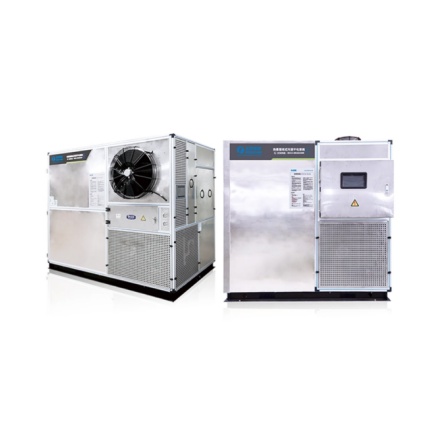
A sludge dryer is designed to remove moisture from sludge after mechanical dewatering. By applying controlled heat and airflow, the dryer increases dry solids content and transforms sludge into a material that is much easier and cheaper to manage.
Depending on the application, the final dried product may become:
· a lower-volume waste for landfill
· a material better suited for incineration
· a product easier to store and transport
· in some cases, a resource suitable for reuse or further processing
This is why sludge drying is increasingly viewed as a cost-control solution rather than just a treatment step. It improves the economics of sludge management by reducing the mass and volume that require disposal.
The biggest financial benefit of sludge drying comes from moisture reduction. When water is removed, sludge becomes lighter and more compact. That change immediately affects disposal economics.
Transportation providers often charge by weight, load size, or trip frequency. Wet sludge quickly increases all three. Dry sludge reduces the number of loads needed and lowers the total transported mass.
Many disposal charges are based on tonnage or volume. A drier sludge product means less material is sent for final disposal, directly reducing these fees.
Wet sludge requires larger holding areas and often creates odor or sanitation issues over time. Dry sludge is easier to manage on-site, which can reduce storage and handling costs.
Some disposal or recovery methods work more efficiently with higher dry solids content. This can open more economical options compared with handling wet sludge.
The table below helps illustrate how moisture content can influence disposal costs and operational efficiency.
Factor | Wet Sludge | Dried Sludge |
Weight for transport | High | Much lower |
Volume for disposal | Large | Reduced |
Number of hauling trips | More frequent | Less frequent |
Storage space required | More | Less |
Landfill cost burden | Higher | Lower |
Handling efficiency | More difficult | Easier |
Potential for reuse | Limited | Improved |
This comparison shows why drying can change the economics of sludge disposal so significantly. The reduction in water content affects nearly every cost category after treatment.
Transportation is often one of the most underestimated sludge management expenses. Many facilities focus on treatment costs while overlooking how much they spend moving sludge off-site over the course of a year.
When sludge contains excessive moisture, trucks reach weight limits faster, which means fewer solids are transported per trip. This leads to more frequent pickups, more labor, more fuel use, and greater logistics complexity.
By increasing the dry solids level, sludge dryers allow each load to carry a higher proportion of actual waste solids instead of water. That creates several financial advantages:
A reduced overall volume means fewer scheduled removals from the facility.
Transport providers benefit from more efficient loads, which can help lower service costs over time.
Drier material is often easier to move and manage, reducing operational inefficiencies.
Plants located far from disposal sites can especially benefit because long-distance transport amplifies moisture-related cost penalties.
For facilities with high sludge output, transportation savings alone may justify investment in drying technology.
Landfill and disposal charges continue to increase in many markets. In addition, some areas are placing tighter restrictions on moisture-heavy sludge disposal due to environmental and handling concerns.
Sludge dryers help companies respond to these challenges by reducing the amount of material sent to landfill or other final disposal channels. This creates a more favorable cost structure in several ways.
First, there is simply less waste to pay for. Second, drier sludge may qualify for more treatment or recovery options than wet sludge. Third, companies can reduce reliance on a single high-cost disposal route.
In practical terms, drying allows operators to move from reactive disposal spending to a more controlled, optimized waste strategy.
The value of sludge drying is not limited to disposal invoices. It also improves efficiency throughout the sludge handling process.
When sludge is drier, facilities often see smoother operation in areas such as:
· on-site transfer and conveying
· temporary storage
· odor control management
· loading operations
· overall housekeeping and cleanliness
· coordination with third-party disposal contractors
These improvements may not always appear as one line item in a budget, but together they contribute to meaningful savings. In many plants, the true financial value of a sludge dryer becomes more visible when both direct and indirect costs are considered.
For companies facing rising treatment and disposal expenses, sludge drying has become an increasingly practical way to improve cost control. Sludge dryers help reduce waste disposal costs by cutting moisture content, lowering total sludge weight, shrinking disposal volume, and reducing the number of transport trips required. They also improve handling, storage, and downstream processing efficiency, making the entire sludge management chain more economical. While every facility has its own sludge profile, disposal conditions, and energy considerations, the overall principle is clear: when less water is carried through the disposal process, less money is wasted on moving, storing, and paying to discard that excess mass. That is why sludge dryers are now being evaluated not just as treatment equipment, but as financial optimization tools for modern wastewater and industrial operations.
From our perspective, the most effective sludge solutions are those that match performance with real operating needs and long-term cost goals. At TENESUN Heat Pump Co.,Ltd., we understand that customers are not only looking for drying equipment, but for dependable ways to improve efficiency and reduce ongoing waste management pressure. If you are reviewing options for sludge drying and want to better understand which system may fit your application, it is worth speaking with an experienced supplier. You can learn more from TENESUN Heat Pump Co.,Ltd. and explore whether a properly designed sludge drying solution can support your plant’s cost reduction strategy.
A sludge dryer reduces disposal costs by removing moisture from sludge, which lowers its weight and volume. This leads to lower transport fees, fewer hauling trips, and reduced landfill or incineration charges.
Yes. Many industrial wastewater treatment plants use sludge dryers to improve sludge handling efficiency, reduce storage pressure, and cut long-term disposal expenses.
Yes. By producing a drier and more manageable material, sludge drying can reduce the total amount of waste sent to landfill and may support alternative treatment or recovery options.
Companies should review sludge type, moisture content, daily treatment capacity, energy source, installation space, automation needs, and expected disposal savings before selecting a system.


