


As environmental regulations become stricter and industries face growing pressure to reduce waste, sludge treatment has become a more important topic than ever. Municipal wastewater plants, food processing facilities, chemical factories, textile operations, and many other sectors generate large amounts of sludge as part of their daily operations. If this sludge is not treated properly, it can create significant environmental burdens, including landfill pressure, odor pollution, transportation emissions, and the risk of secondary contamination. This is why sludge drying technology is receiving more attention in modern waste treatment strategies. Among the available treatment methods, sludge dryers stand out because they help transform wet, difficult-to-handle sludge into a more stable, reduced-volume material that is easier to transport, store, reuse, or dispose of responsibly. When companies pursue sustainable waste management goals, sludge dryers are not simply mechanical equipment; they become part of a broader environmental solution that supports cleaner production, lower resource consumption, and more efficient waste handling from start to finish.
Sludge is often viewed as a by-product, but from an environmental perspective, it is a serious management challenge. Wet sludge usually contains a very high moisture content, which increases its weight, volume, and instability. This creates multiple downstream problems.
First, wet sludge requires more storage space and more frequent transportation. Second, untreated or poorly treated sludge can emit unpleasant odors and potentially release harmful substances into the environment. Third, disposal methods such as landfill or incineration become less efficient and more costly when sludge still contains too much water.
For these reasons, effective sludge reduction is not only an operational objective but also an environmental one. The lower the moisture content, the easier it is to control the material and reduce its impact on the surrounding ecosystem.
A sludge dryer is designed to remove moisture from sludge through controlled heating and drying processes. By reducing water content, the dryer significantly decreases the volume and weight of the sludge.
This process offers several practical outcomes:
· less material to transport
· reduced storage requirements
· lower disposal costs
· improved stability of the dried product
· greater potential for reuse or energy recovery
In the context of sustainable waste management, these outcomes matter because they directly support resource efficiency and pollution reduction.
The environmental value of sludge dryers can be understood more clearly by looking at the specific benefits they provide.
One of the most obvious advantages is the reduction in sludge volume. Since a large share of sludge mass comes from water, removing moisture greatly reduces the overall amount of waste that must be managed. Smaller waste volumes mean less strain on landfills, less frequent hauling, and more efficient handling across the disposal chain.
When sludge remains wet, it is heavy and expensive to move. Trucks transporting high-moisture sludge consume more fuel and generate more carbon emissions. After drying, the same sludge can often be transported far more efficiently. This reduction in transport demand contributes directly to lower greenhouse gas emissions.
Wet sludge is much more likely to generate odor problems, especially during storage and transfer. Drying improves the material’s stability and can help reduce odor-related environmental complaints, particularly in urban or industrial areas where facilities operate near communities.
Landfill space is limited in many regions, and sending untreated sludge to landfill is becoming less desirable from both environmental and policy standpoints. Dried sludge is easier to divert toward alternative uses, including co-processing, fuel applications, or other controlled recovery routes.
The following table helps illustrate why drying is considered an environmentally beneficial treatment step.
Factor | Wet Sludge | Dried Sludge |
Moisture content | Very high | Much lower |
Transport efficiency | Low | High |
Storage demand | Large | Reduced |
Odor risk | Higher | Lower |
Disposal flexibility | Limited | Improved |
Environmental handling | More difficult | More manageable |
This comparison shows why sludge drying technology is increasingly recognized as a practical tool in environmental planning.
Sustainability is not only about reducing waste; it is also about improving how waste is handled throughout its lifecycle. Sludge dryers contribute to this broader goal in several ways.
When sludge is dried effectively, fewer trucks, fewer storage facilities, and fewer disposal resources are required. This creates a more efficient system overall and supports better use of infrastructure.
Dried sludge can often be handled through more sustainable channels than untreated sludge. Depending on the material composition and local regulations, it may be suitable for energy recovery, further processing, or controlled reuse. This helps move waste management closer to circular economy principles.
Many facilities today must meet stricter environmental rules related to emissions, waste handling, and odor management. Sludge dryers can support compliance by reducing the environmental risks associated with raw sludge storage and disposal.
A common concern is whether sludge drying itself consumes too much energy. This is a valid question, because sustainability should include both environmental results and energy efficiency. The answer depends heavily on the dryer design and the heat source used.
Modern sludge dryer systems are much more advanced than older drying approaches. Many are designed to optimize heat exchange, recover thermal energy, and operate with lower energy consumption than traditional high-temperature systems. This is especially important for companies looking to reduce both treatment costs and environmental footprint.
Heat pump sludge dryers are increasingly valued because they can deliver efficient drying at controlled temperatures while reducing overall energy waste. Compared with some conventional thermal methods, heat pump technology can improve energy utilization and support more stable operation.
This matters because the environmental advantages of sludge dryers become even stronger when the drying process itself is energy-conscious. The combination of moisture reduction and efficient energy use creates a more balanced waste treatment strategy.
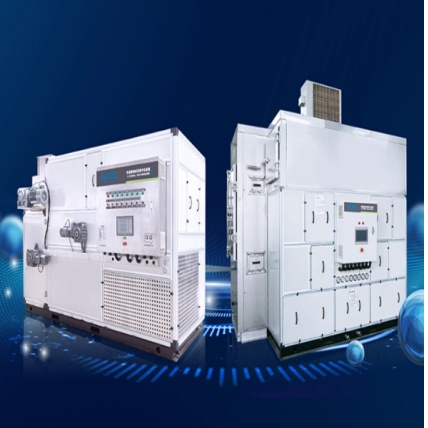
Sludge drying is relevant across a wide range of industries, not only in municipal wastewater treatment. Municipal wastewater treatment plants generate large volumes of sludge every day, and drying helps reduce disposal pressure while improving long-term waste management efficiency. Food processing plants also benefit from sludge drying because organic sludge from production processes often contains high moisture levels, making drying useful for cleaner handling and lower transportation costs. In the chemical and pharmaceutical industries, sludge often requires more controlled treatment methods, and drying can help reduce environmental risks while improving disposal safety. Textile and dyeing facilities likewise produce sludge that can be difficult to manage due to its high moisture content and complex material composition, so drying makes disposal more controlled and efficient. Paper and pulp operations also generate significant quantities of sludge, and applying sludge drying technology can reduce logistical burdens and support more sustainable waste management practices across the entire operation.
The value of sludge dryers is not limited to smaller waste volume. Their environmental contribution can extend into several related areas.
Wet sludge stored for too long may pose a higher risk of leakage, runoff, or contamination during handling. Drying improves stability and reduces the likelihood of these environmental issues.
A well-managed drying system can support tidier, more controlled plant conditions. This contributes to improved workplace hygiene and reduces the surrounding environmental burden.
Since dried sludge lowers transport needs and can improve alternative disposal or recovery efficiency, sludge drying can support broader carbon reduction programs within industrial operations.
The environmental advantages of sludge dryers in sustainable waste management are becoming increasingly clear across industrial and municipal applications. By reducing sludge volume, lowering transportation emissions, minimizing landfill dependence, improving odor control, and supporting more efficient downstream treatment, sludge dryers provide meaningful environmental value rather than just operational convenience. Their role becomes even more important when paired with energy-efficient system design, especially in facilities aiming to balance productivity with environmental responsibility. From our perspective, the right sludge drying solution should not only meet technical requirements but also contribute to a cleaner and more sustainable waste treatment strategy over the long term. At TENESUN Heat Pump Co.,Ltd., we believe that practical equipment design, stable performance, and energy-conscious technology are essential to achieving those goals. For companies seeking a more efficient and environmentally responsible approach to sludge treatment, it is worth learning more about suitable solutions and discussing the application in detail with an experienced manufacturer.
Sludge dryers help reduce waste volume, lower transport emissions, improve odor control, and decrease reliance on landfill disposal, making sludge treatment more sustainable.
They make sludge easier to handle, store, transport, and process, while also improving resource efficiency and reducing the environmental burden of waste disposal.
Modern sludge dryers, especially heat pump-based systems, can be designed for higher energy efficiency than many conventional drying methods, depending on the application and system configuration.
Sludge dryers are widely used in municipal wastewater treatment, food processing, chemical manufacturing, textile production, paper mills, and other industries that generate wet sludge.


