


As global energy costs rise and environmental concerns become more urgent, more homeowners, developers, and commercial users are rethinking how buildings are heated and cooled. Traditional fossil-fuel-based systems have long been the standard in many markets, but they also contribute significantly to greenhouse gas emissions. Against this backdrop, air source heat pumps have become one of the most practical and efficient technologies for modern low-carbon living. When combined with renewable energy strategies, they offer a powerful way to improve comfort while reducing dependence on conventional energy sources. This is why the topic of Air Source Heat Pumps & Renewable Energy: Reducing Carbon Footprint has gained so much attention. It is no longer only about replacing one heating system with another. It is about creating a smarter, cleaner, and more sustainable energy model for homes, hotels, apartments, offices, and industrial spaces.
Air source heat pumps are systems that transfer heat from the outside air into a building for heating and hot water, and in many cases can also provide cooling. Instead of generating heat by burning fuel, they move existing heat through a refrigeration cycle. This is what makes them significantly more energy-efficient than many traditional systems.
Even when outdoor temperatures are relatively low, the air still contains usable thermal energy. An air source heat pump captures that energy, upgrades it to a higher temperature, and delivers it where it is needed. Because the system transfers heat rather than creating it directly through combustion, it can provide multiple units of heat for every unit of electricity consumed.
The connection between air source heat pumps and carbon reduction is straightforward. Conventional boilers and heating systems often rely on oil, gas, or coal-based electricity, all of which can result in higher emissions. A heat pump reduces this impact because it uses electricity to move heat efficiently rather than burning fuel onsite.
The carbon reduction potential becomes even more significant when the electricity used by the system comes partly or fully from renewable sources. In that scenario, the heating and hot water process becomes much cleaner across the entire energy chain.
Several factors explain why air source heat pumps support a lower carbon footprint:
· they reduce direct fossil fuel consumption
· they improve heating efficiency
· they can integrate with cleaner power sources
· they support long-term building electrification
· they help meet sustainability and energy transition goals
For both residential and commercial users, this makes heat pumps an important part of future-ready energy planning.
The phrase Air Source Heat Pumps & Renewable Energy: Reducing Carbon Footprint reflects a broader shift in how buildings use energy. Heat pumps do not operate in isolation. Their real environmental value is even stronger when they are paired with renewable electricity sources such as solar or wind power.
For example, a building with rooftop solar panels can use part of that electricity to run its air source heat pump. This reduces reliance on grid electricity and lowers operating emissions further. In areas where the grid itself is becoming cleaner, the environmental performance of heat pumps continues to improve over time.
This is a major advantage over combustion-based systems. A gas or oil boiler remains tied to fossil fuel use throughout its life cycle. By contrast, an air source heat pump can become greener as the electricity supply becomes greener.
This flexibility makes heat pumps highly compatible with long-term sustainability planning, especially in projects designed around net-zero, green building, or low-emission development goals.
One of the strongest reasons for choosing an air source heat pump is efficiency. Instead of converting fuel directly into heat, the system uses electricity to transfer ambient energy. As a result, it can often deliver more heat energy than the electrical energy it consumes.
This high efficiency matters for three reasons. First, it can lower total energy use compared with less efficient heating technologies. Second, it can reduce utility costs in many applications, especially when system sizing and installation are handled properly. Third, improved efficiency directly supports lower carbon emissions because less input energy is needed to achieve the same comfort level.
In real projects, efficiency depends on several factors:
Outdoor temperature affects system performance, although modern units are designed to operate effectively across a wide range of conditions.
A well-insulated building allows the heat pump to work more efficiently and maintain stable indoor comfort.
Underfloor heating, fan coils, and low-temperature radiators can improve compatibility with heat pump operation.
Smart controls, zoning, and scheduling can help maximize seasonal efficiency.
This is why the performance of air source heat pumps should always be considered as part of a complete system, not only as a standalone unit.
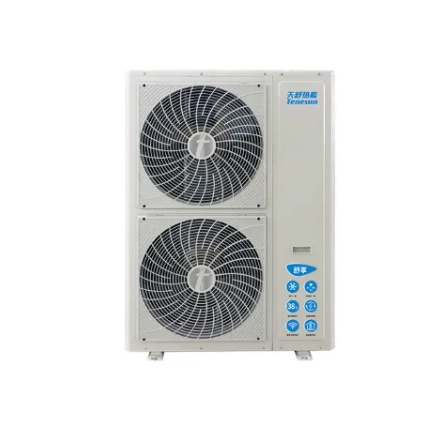
To better understand the environmental value of air source heat pumps, it helps to compare them with traditional heating systems.
Heating System | Primary Energy Source | Onsite Combustion | Typical Carbon Impact | Renewable Energy Compatibility |
Gas Boiler | Natural gas | Yes | Higher | Limited |
Oil Boiler | Heating oil | Yes | High | Limited |
Electric Resistance Heating | Electricity | No | Depends on grid mix | Moderate |
Air Source Heat Pump | Electricity + ambient air heat | No | Lower in many cases | High |
Air Source Heat Pump + Solar | Renewable electricity + ambient air heat | No | Much lower | Very high |
This table shows why air source heat pumps and renewable energy are often discussed together. Their compatibility creates a more practical route toward low-carbon heating without sacrificing everyday comfort.
Lower emissions are a major advantage, but they are not the only reason the market for air source heat pumps continues to grow. Buyers also look at overall performance, operational convenience, and long-term value.
Many air source heat pumps can provide both heating and cooling, helping simplify system design and reduce the need for separate equipment.
As energy markets fluctuate, reducing dependence on oil and gas can improve energy resilience and planning flexibility.
Air source heat pumps are used in homes, villas, apartments, hotels, office buildings, schools, and other facilities. Their adaptability supports a wide variety of project requirements.
Projects seeking better environmental performance often consider heat pumps because they align well with energy-saving and low-emission strategies.
Many modern heat pump systems are designed for quieter, more stable operation, which is important in residential neighborhoods and hospitality environments.
Taken together, these advantages show that heat pumps are not simply a response to environmental pressure. They are also a practical solution for modern energy-efficient building design.
The topic of Air Source Heat Pumps & Renewable Energy: Reducing Carbon Footprint is becoming more relevant because it connects environmental responsibility with practical building performance. Air source heat pumps reduce dependence on fossil fuels, improve energy efficiency, and work especially well in systems that use cleaner electricity. They are not a one-size-fits-all solution, but when properly selected and integrated, they can make a meaningful difference in lowering emissions while maintaining comfort and reliability. From our perspective in the heat pump industry, the most important point is to evaluate each project based on climate conditions, building characteristics, operating expectations, and long-term energy goals. A thoughtful system design will always deliver better results than focusing only on a headline specification. For readers who want to explore heat pump solutions in more detail and better understand which system may fit their application, learning more from TENESUN Heat Pump Co., Ltd. can be a useful next step. We believe practical technical communication and careful product matching are the best ways to support efficient, lower-carbon heating for real projects.
Air source heat pumps are generally classified as renewable-based heating technology because they extract usable heat energy from ambient air. Although they require electricity to operate, they can significantly increase renewable energy use when paired with solar power or a cleaner electricity grid.
Yes. In many retrofit projects, air source heat pumps can help reduce carbon emissions compared with traditional fossil-fuel-based heating systems, especially when the building has reasonable insulation and the system is properly matched to demand.
No. Modern air source heat pumps are designed to operate in a wide range of climate conditions. However, system performance and efficiency will still depend on outdoor temperatures, building insulation, and correct system design.
Buyers should review local climate, heating and hot water demand, building insulation, available installation space, system efficiency, and supplier support. These factors all affect long-term performance and carbon reduction results.


